

If a dental bill is larger than expected, you may wonder, can you use an HSA for dental work? In most cases, yes. HSA funds generally cover dental treatment that prevents, diagnoses, or treats a dental disease or condition. The important line is between care that restores or protects oral health and a cosmetic service that changes appearance only. Your records and insurance statements matter, too.
Check your HSA and FSA options with daylii
This guide explains the general federal rule, common eligible costs, orthodontic treatment, insurance coordination, and the records to keep. It is educational information, not tax, legal, or benefits advice. Review your HSA provider’s procedures and consult a qualified tax professional for a personal decision.
Quick answer: An HSA generally can pay for dental treatment, but not every dental-related charge. Use the treatment purpose and the amount left after insurance as your starting points.
- Care such as exams, cleanings, X-rays, fillings, root canals, and many restorative procedures generally qualifies.
- Braces and clear aligners generally qualify when they correct alignment or treat a dental condition.
- Cosmetic-only whitening, routine dental premiums, and amounts paid by insurance generally do not qualify.
- Keep an itemized statement, your Explanation of Benefits, and proof of payment for every reimbursement.
Can you use an HSA for dental work?
Yes. An HSA is designed to pay or reimburse qualified medical expenses for you, your spouse, and your dependents. The IRS definition of medical care includes amounts paid for the prevention or alleviation of dental disease, including services provided by a dentist. IRS Publication 969 also says qualified expenses must not be compensated by insurance or another source.
That makes the purpose of the charge the central question. A filling treats decay. A dental X-ray helps diagnose a problem. A crown can restore a damaged tooth. These services fit the ordinary purpose of qualified dental care. A whitening session performed only to make teeth look brighter has a cosmetic purpose and generally does not qualify.
The HSA payment method does not change the eligibility rule. You can use an HSA debit card when the dental office accepts it, or you can pay from another account and request reimbursement from your HSA. In either case, keep enough documentation to show the service, date, provider, patient, and amount you paid.
What does qualified dental care mean?
For HSA purposes, qualified dental care is tied to a real medical purpose. The care can prevent a dental disease, identify a condition, repair damage, relieve symptoms, or restore normal function. The rule does not require the treatment to be urgent. Preventive services such as cleanings and sealants can qualify because they help prevent dental disease.
It also does not require every eligible charge to look the same. A diagnostic X-ray, a filling, and a set of braces are different services, but each can support oral health in a way that a purely appearance-based service does not. Focus on the provider’s description and the reason for treatment. If a charge is hard to classify, request an itemized statement before paying.
Keep the federal rule separate from the payment process. An HSA provider’s card controls whether a transaction can be processed at a particular office. It does not replace the account holder’s responsibility to confirm that the expense is qualified. Likewise, a denied card transaction does not always mean the treatment is ineligible. You may still be able to pay out of pocket and request reimbursement with supporting records.
Which dental costs are usually HSA eligible?
IRS Publication 502 names several types of dental care, including preventive treatment and procedures that alleviate dental disease. The table below is a practical starting point, not a replacement for your plan records or tax guidance.
| Dental cost | Usually HSA eligible? | What to document |
|---|---|---|
| Dental exams and cleanings | Yes | Itemized statement showing the preventive service and date. |
| X-rays and diagnostic services | Yes | Provider statement that identifies the diagnostic service. |
| Fillings and root canals | Yes | Procedure description and patient responsibility after insurance. |
| Crowns and bridges | Usually, when restorative | Itemized bill and insurance Explanation of Benefits when applicable. |
| Extractions and oral surgery | Usually, when treatment is needed | Procedure details and proof of the amount you paid. |
| Dentures and implants | Usually, when restoring function | Statement describing the treatment and out-of-pocket portion. |
| Braces and orthodontia | Usually | Orthodontist contract, paid receipt, and payment dates. |
| Teeth whitening | No, when cosmetic | Do not treat an appearance-only service as a qualified expense. |
Mixed-purpose treatment deserves extra care. For example, a procedure can improve appearance while also repairing damage or restoring function. Ask the dental provider for a clear description of the treatment and keep the supporting record. Do not assume that a service is eligible merely because it occurs in a dental office.
For a second plain-language explanation of HSA dental coverage, see MetLife’s HSA dental expense guide. The IRS publications remain the primary sources for the federal rule.
Are braces, Invisalign, and retainers HSA eligible?
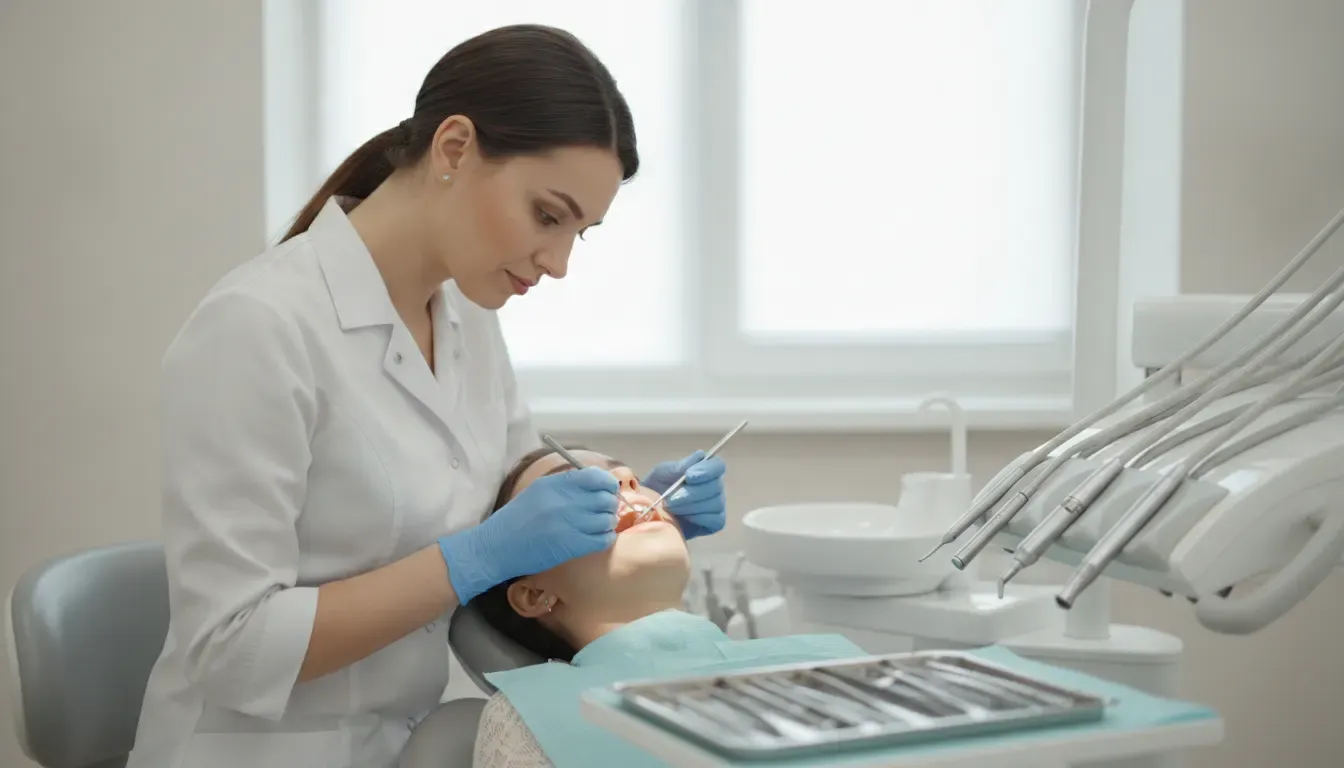
Orthodontic treatment generally qualifies when it corrects tooth or jaw alignment or addresses another dental condition. That can include traditional braces, clear ceramic braces, and clear aligners such as Invisalign. The material and appearance of the appliance are less important than the treatment purpose.
Payment timing can make orthodontia harder to document than a single dental visit. Treatment often includes a deposit, monthly installments, adjustments, and a retainer after the active phase. Keep the orthodontist’s contract, each paid receipt, and any statement that explains what each payment covers. If you pay a bundled amount, ask the provider how the expense is allocated across treatment dates.
A retainer that is part of an orthodontic treatment plan is generally easier to support than a product purchased for an unrelated purpose. Accessories and convenience items do not automatically become qualified just because they are associated with braces. When a line item is unclear, ask the provider and HSA administrator before using the account.
daylii’s guide to Invisalign and FSA eligibility covers the related FSA questions. The account rules are not identical, so use that article for context rather than treating it as a substitute for HSA documentation.
What dental expenses are usually not HSA eligible?
The most common exclusions are cosmetic-only procedures, insurance premiums, and amounts that another payer already covered. The following examples need special attention:
- Teeth whitening: Whitening performed only to improve appearance is generally cosmetic, which places it outside the qualified medical expense rule.
- Cosmetic veneers: Veneers used only for appearance are generally not qualified. A restorative situation requires clear documentation and a careful review.
- Dental insurance premiums: A standalone dental plan premium is generally not payable from an HSA. Publication 969 lists limited premium exceptions, including COBRA, coverage while receiving unemployment compensation, Medicare coverage after age 65, and qualified long-term care insurance. A routine dental premium does not ordinarily fit those exceptions.
- Amounts paid by insurance: You cannot use HSA funds for the part of a bill that your dental insurer already paid. Focus on the patient responsibility shown on your Explanation of Benefits.
- General-use oral care products: Toothbrushes, toothpaste, floss, and ordinary mouthwash are personal-care products rather than dental treatment in most situations. See daylii’s floss eligibility guide and mouthwash eligibility guide for the product-specific distinction.
Do not rely on a card transaction approving at checkout as the final answer. A card can process a charge even when you still need to show that the expense was qualified. The account holder is responsible for retaining records and correcting a nonqualified distribution.
Find a clearer path for eligible healthcare spending with daylii
How does dental insurance affect HSA payment?
Dental insurance and an HSA can work together, but they cannot pay the same expense twice. Start by submitting the dental claim to your insurer when the provider or plan requires it. After the insurer processes the claim, review the Explanation of Benefits. It should show the billed charge, the insurer’s payment, adjustments, and the amount you owe.
Use your HSA only for the eligible amount that remains your responsibility. That could be a deductible, copayment, coinsurance, or another qualified out-of-pocket amount tied to treatment. If the provider asks for payment before the claim is finalized, save the final statement and compare it with the EOB so that your HSA distribution matches the actual qualified cost.
If insurance later pays more than expected, do not leave an HSA distribution unmatched. Contact your HSA provider or tax professional about the appropriate correction. The IRS rule is based on the amount not compensated by insurance or another source, not merely the amount originally charged by the dentist.

How do you pay a dental bill with an HSA?
You have two common routes. The first is direct payment with the HSA debit card or an HSA-linked payment method. This is convenient when the dental office accepts the card and the final amount is known. Ask the office for an itemized receipt even when the transaction is approved immediately.
The second route is reimbursement. You pay the qualified bill with a personal card, check, or another accepted method, then request the same amount from the HSA. Follow your HSA provider’s process, which may include uploading the receipt or entering the service details. An HSA reimbursement should not exceed the amount you actually paid or an amount already reimbursed by insurance.
If you are deciding between an HSA and FSA for a dental expense, remember that they are different account types. An HSA requires eligibility tied to a qualifying high-deductible health plan, while a health care FSA is generally an employer benefit with its own plan-year and carryover rules. HSA balances generally remain available year to year, and the account belongs to you even if you change jobs. Read daylii’s HSA eligible expenses guide for broader account context, then confirm your own plan details.
What receipts should you keep for dental HSA expenses?
A useful dental record answers five questions: who received care, who provided it, what service was performed, when it occurred, and how much you paid. Keep the following together:
- An itemized receipt or dental statement with the provider, patient, service, date, and amount.
- The Explanation of Benefits if dental insurance was billed.
- Proof of payment, such as an HSA transaction record or personal bank statement.
- Orthodontic contracts and paid receipts for braces, aligners, or staged treatment.
- Any provider documentation that clarifies a mixed-purpose or restorative procedure.
Keep these records for as long as your HSA provider and tax professional recommend. The IRS places the responsibility for substantiating HSA distributions on the account holder. A clear folder, consistent file names, and a note explaining each reimbursement can prevent a difficult search later.
Do not submit a dental expense to both an HSA and another reimbursement account. Do not use an HSA distribution for a bill that was already paid by insurance, an employer benefit, or another source. These are simple checks, but they protect the tax treatment of the account.

Review your eligible care options with daylii
Frequently Asked Questions
Can you use an HSA for dental work?
Yes. HSA funds generally can pay or reimburse qualified dental treatment for you, your spouse, or your dependents. Common examples include exams, cleanings, X-rays, fillings, crowns, extractions, dentures, implants, and orthodontia. Cosmetic-only services and amounts paid by insurance generally do not qualify.
Can I use an HSA for braces or Invisalign?
Usually. Braces and clear aligners generally qualify when the treatment corrects tooth or jaw alignment or addresses a dental condition. Keep the orthodontist’s contract and a receipt for each payment, especially when treatment is billed in stages.
Can I pay dental insurance premiums with my HSA?
Generally, no. A standalone dental insurance premium usually is not an HSA-qualified expense. The IRS lists limited premium exceptions in Publication 969, including COBRA, certain unemployment coverage, Medicare coverage after age 65, and qualified long-term care insurance.
Can I use my HSA for a dental copay or deductible?
Yes, a copay, deductible, or coinsurance amount tied to qualified dental treatment generally can be paid with HSA funds. Use the amount shown as your responsibility after insurance, not the original billed amount.
Can I use an HSA for teeth whitening?
Teeth whitening performed only to improve appearance is generally cosmetic, so it usually does not qualify. If a dental service has both restorative and cosmetic elements, keep documentation that explains the medical purpose and seek professional guidance.
What receipt do I need for dental HSA reimbursement?
Keep an itemized dental statement with the patient, provider, service, date, and amount. If insurance was involved, save the Explanation of Benefits and proof of payment so the reimbursement can be matched to the amount you actually owed.
Use your HSA with a clear record of care
The short answer to “can you use an HSA for dental work” is yes for most treatment that prevents or addresses a dental condition. Cleanings, exams, fillings, crowns, orthodontia, and many restorative procedures generally fit the rule. Cosmetic-only services, routine premiums, and reimbursed amounts generally do not.
Before you pay, identify the treatment purpose, check the insurance balance, and save the itemized record. That simple workflow makes it easier to use HSA funds confidently without mixing qualified care with excluded expenses.
Make eligible healthcare spending easier to understand with daylii
