
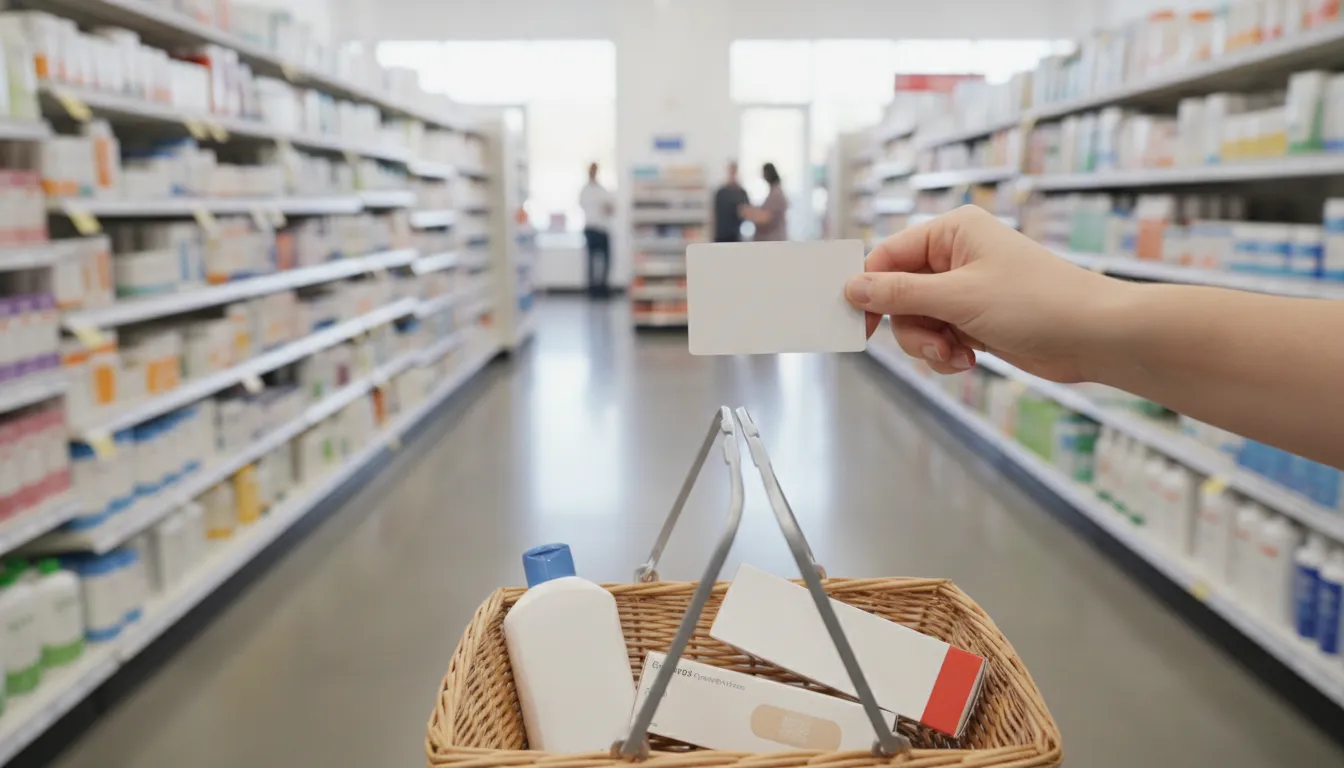
A CVS run gets awkward when the card reader rejects half the basket. CVS FSA eligible items are the health products your flexible spending account can pay for at the register, not every bottle on the shelf. CVS sells both. The card generally approves only items coded as eligible medical expenses.
See how daylii helps you check FSA eligibility before you shop.
A health FSA is a workplace account. You set aside pre-tax pay for qualified medical care, and most plans forfeit what you do not spend by the deadline. CVS can accept that card because it runs an inventory system that flags eligible products one by one. Your plan document still has the last word. A shelf badge is a strong clue, not a promise from your administrator.
Which CVS FSA Eligible Items Usually Clear
Start with the products CVS marks as FSA or HSA eligible. CVS explains its FSA and HSA checkout on its benefits page, and the same idea shows up as a badge on product pages and shelf tags. Pain relievers, cough and cold medicine, allergy treatments, and antacids are the everyday core. Since 2020, the IRS has treated over-the-counter medicine as reimbursable without a prescription.
The table below is a shopping map, not a plan guarantee. If a row says a letter may be required, ask your administrator before you spend a large balance on it.
| CVS category | Typical FSA result | What to watch |
|---|---|---|
| Pain, allergy, cold, and digestive medicine | Usually eligible at the shelf | Look for the FSA or HSA badge, not a sale sticker. |
| First aid, thermometers, and monitors | Usually eligible | Bandages, hot and cold packs, blood pressure cuffs, and glucose supplies. |
| Menstrual care and family planning | Usually eligible | Pads, tampons, liners, cups, and pregnancy or ovulation tests. |
| Sunscreen and eligible sun care | Often eligible | Broad-spectrum SPF 15 or higher, including lip balm with that SPF. |
| Prescriptions and MinuteClinic visits | Eligible medical care | The pharmacy and clinic can take the card for qualified charges. |
| Vitamins, massagers, and air purifiers | Often needs a letter | General wellness is not enough. A clinician must tie it to a condition. |
| Soap, makeup, food, and household goods | Not eligible | These items make mixed baskets decline even when the medicine is fine. |
Menstrual products became qualified medical expenses for amounts paid after December 31, 2019. The IRS defines them as tampons, pads, liners, cups, sponges, and similar products. That is why a box of pads can clear when body wash in the same aisle does not. You do not need a prescription. You do need the receipt if the card fails.
Sunscreen is different from lotion. The medical rule is sun protection, so broad-spectrum SPF 15 or higher is the usual test, including a lip balm that meets it. A plain moisturizer, a tanning oil, or a cosmetic with a trace of SPF is a personal item. Read the front of the bottle before you treat a beauty-aisle product as medicine. If the label leads with fragrance or color, put it in the non-FSA pile.
First aid and home monitors are the other easy aisle. Bandages, gauze, antiseptic, hot and cold packs, thermometers, blood pressure monitors, and glucose supplies are medical supplies, not cosmetics. CVS files many of them under home health care with an FSA filter online. In the store they often sit on an endcap with a small eligible tag. A heating pad or a massager is less automatic. Those can be dual-purpose, so ask your plan before you spend a large balance.
Vitamins and supplements usually need a letter of medical necessity. The IRS counts a cost when it is for diagnosis, cure, mitigation, treatment, or prevention of disease. A general wellness claim does not meet that test. If a clinician documents a specific condition, your administrator may reimburse it. Without that letter, leave the bottle out of the FSA pile.
Prescriptions and MinuteClinic visits are eligible medical care when the service or drug itself qualifies. CVS says the card can go toward prescriptions and that MinuteClinic can accept FSA and HSA cards. Bring the card, a photo ID, and your insurance card. A clinic copay is not the same thing as a shopping-basket item. If the visit includes a product the clinician did not order, check that product on its own.
How to Spot CVS FSA Eligible Items Before You Pay
Do the check before you reach the register. In the store, look for an FSA or HSA eligible tag on the shelf edge. A yellow sale tag is not the same thing. If the tag is missing, scan the barcode in the aisle. Online, open the dedicated FSA and HSA page or use the FSA filter in health and medicine, personal care, or home health care.
CVS publishes more than one filtered aisle online. Health and medicine, personal care, and home health care each have an FSA filter. Start there when you already know the product type. Open the product page and confirm the badge before you add it. A category filter can still include an item that needs a letter.
- Read the shelf tag or the online FSA badge before the item goes in the basket.
- Scan the barcode in the aisle if the tag is missing or hard to read.
- Separate anything without a badge into a second pile you will pay for yourself.
- Ask the pharmacy about prescriptions, clinic visits, and devices before you check out.
- Save the itemized receipt even when the card is approved.
A badge reflects how the product is coded for card processing. It does not read your plan document.
Limited-purpose FSAs, grace periods, and carryover rules can still change what the card approves. A limited-purpose plan often pays dental and vision costs and little else. On that plan, a pain reliever can be a qualified medical expense and still decline, because the plan is narrow.
If you want the national rule behind a product, the healthcare FSA eligible items guide covers the IRS categories. This page stays on the CVS checkout. For a single product that keeps coming up, use a focused guide instead of guessing from the aisle. Eye drops, menstrual products, and first aid supplies each have their own rules and their own exceptions.
When a badge is missing, daylii checks the product against IRS Publication 502 and SIGIS IIAS standards, the same rules plans use at the register. You can see how daylii checks FSA eligibility before you commit the balance.
What to Do When the Card Declines
A decline at CVS is usually a basket problem, not proof that your medicine is ineligible. CVS sells groceries, cosmetics, and cleaning products in the same transaction as first aid. The card network approves only the lines coded as eligible. If the payment cannot split, the whole tender can fail.
Work through the decline in this order:
- Ask the cashier to separate the eligible items from soap, snacks, and cosmetics.
- Run the FSA card on the eligible pile only.
- Pay for the rest with another card.
- If one eligible item still declines, pay out of pocket and keep the itemized receipt.
- File a claim with your administrator. The receipt needs the product name, the date, the amount, and the CVS location. A slip that only shows a total is a weak claim.
Online orders fail for a different reason. The card on file may be expired, or the shipment may mix an eligible item with a household item. CVS says that if the FSA or HSA card does not cover the full order, you can use another payment method for the balance. Check that split before you place the order. A declined delivery is harder to unwind than a declined aisle purchase, because the receipt arrives after the charge attempt.
The broader FSA card declined guide walks through expired cards, locked balances, and merchant codes. At CVS, also check that you linked the right card in your CVS.com account before an online order. CVS says you can link an HSA or FSA card to that account, and ExtraCare can help you pull a year-end spending report. That report is a helpful memory aid. Your administrator still wants the itemized receipt.
Build a CVS Basket You Can Defend
A practical CVS basket is small and obvious. Stock pain relief, allergy medicine, a thermometer, bandages, menstrual care, and sunscreen with SPF 15 or higher. Add reading glasses or a blood pressure monitor if you use them. Leave toothpaste, deodorant, shampoo, and makeup in the other bag. Floss and mouthwash are the same trap. Routine oral hygiene is usually a personal expense.
Build the list around what you will use before the plan year ends. A spare thermometer, a box of masks or at-home tests, and a blood pressure cuff are easier to justify than a drawer full of unopened supplements. If diabetes supplies are the real spend, use the diabetes supplies guide so you do not mix eligible test strips with a general vitamin.
Match the basket to deadlines, not to a wish list. For plan years beginning in 2026, IRS Publication 15-B says a cafeteria plan may not allow health FSA salary reductions above $3,400. That is a contribution cap, not a shopping minimum. Many plans still forfeit unused money unless they offer a grace period or a limited carryover. Confirm your date before a December stock-up.
The 2026 FSA deadline guide covers grace periods and carryover. It is not a CVS product list. Use it to pick the week you shop, then come back here for the aisle.
Keep three records from every CVS trip. The itemized receipt, the card statement line, and any letter of medical necessity for a dual-purpose item. If you use ExtraCare, download the year-end spending report as a backup list of what you bought. It does not replace the receipt. For the claim steps after a decline, use the FSA reimbursement guide.
Dual-purpose products are the ones that look medical and still fail a claim. A massager, an air purifier, or a high-end vitamin can sit next to a blood pressure cuff and still need a letter of medical necessity. Ask for that letter before the purchase, not after the administrator denies the receipt. The letter should name the condition and say why this product treats it. A generic note that says a patient may benefit from wellness products is not enough.
Other retailers use different labels. The Walmart FSA eligible products guide covers that store’s badges, and the Amazon FSA card guide covers checkout there. If you have an HSA instead of an FSA, read the separate CVS HSA eligible items guide. The products overlap. The account rules do not. HSA money rolls over, and an HSA has its own eligibility tests.
See how daylii helps before your next CVS run.
Frequently Asked Questions
How do I know if an item is FSA eligible at CVS?
Check the shelf tag, the in-aisle scanner, or the FSA badge on CVS.com. Eligible medicine, first aid, menstrual care, and many devices carry that mark. A missing badge means you should separate the item and confirm it before you count on the card.
Can I use my FSA card to buy over-the-counter medicine at CVS?
Yes for most OTC medicines. The IRS has allowed over-the-counter drugs and medicine as qualified expenses without a prescription since amounts paid after December 31, 2019. The product still has to be a medical item, and your plan can ask for the receipt.
What should I do if my FSA card is declined at CVS?
Split the basket. Run the card only on items with an FSA badge, and pay for the rest another way. If an eligible item still will not go through, pay out of pocket, save the itemized receipt, and submit a reimbursement claim.
Does CVS ExtraCare prove an item was eligible?
No. ExtraCare and the year-end spending report help you remember what you bought at CVS. Your administrator decides the claim from the plan rules and the itemized receipt. Keep both.
Are vitamins and sunscreen treated the same at CVS?
No. Sunscreen with SPF 15 or higher is commonly eligible as sun protection. Vitamins and general supplements usually need a letter of medical necessity that ties them to a diagnosed condition. A CVS badge does not replace that letter when your plan asks for one.
